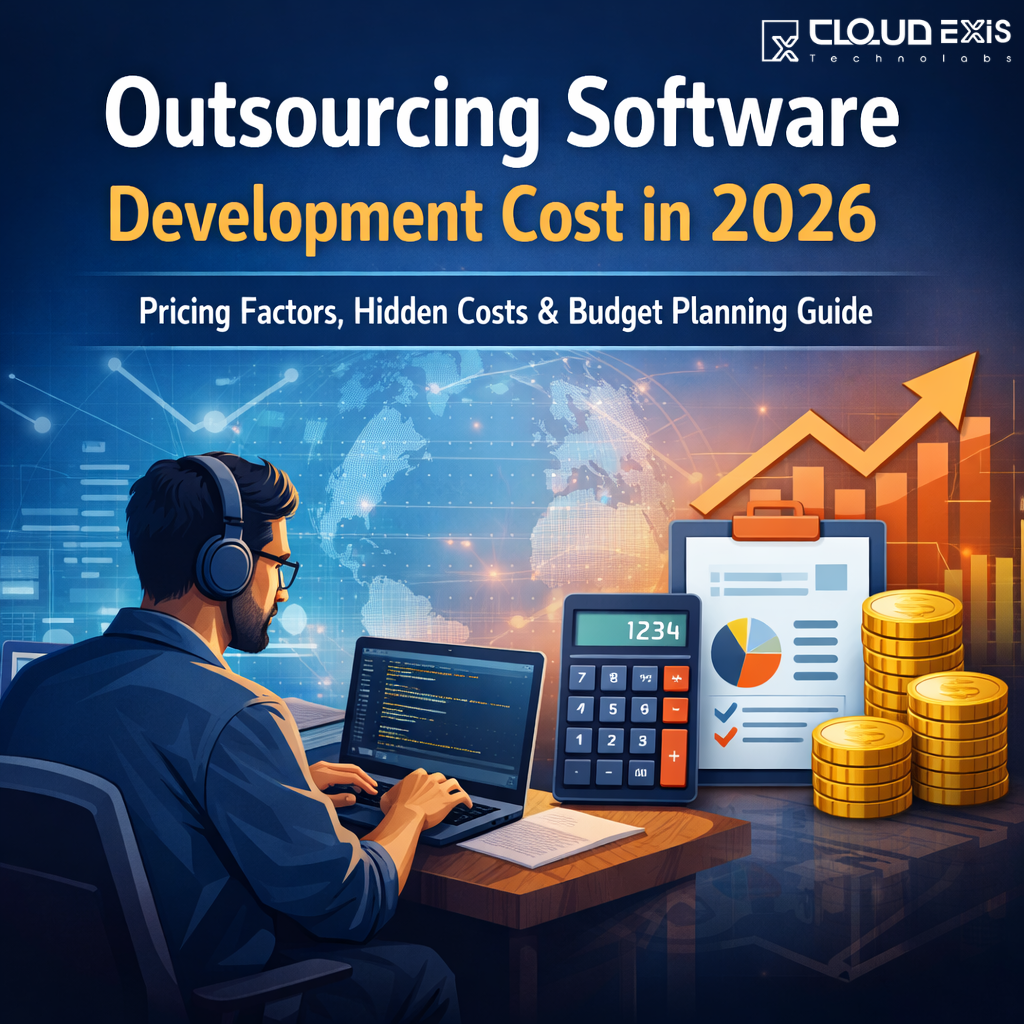
In today’s fast-moving digital landscape, businesses across the globe are increasingly turning to outsourcing software development as a strategic move to reduce costs, access global talent, and accelerate time-to-market. Whether you’re a startup building your MVP or an enterprise scaling digital transformation, outsourcing offers flexibility and efficiency that in-house teams often struggle to match.
However, one of the most common questions businesses ask is: “How much does outsourcing software development really cost?” The answer isn’t straightforward. Pricing varies significantly depending on multiple factors, including project scope, technology stack, team location, and engagement model.
In this guide, we’ll break down everything you need to know about outsourcing software development costs, what influences pricing, and how to plan your budget effectively.
Why Businesses Choose to Outsource Software Development
Before diving into cost structures, it’s important to understand why outsourcing has become a preferred model for companies worldwide.
Outsourcing allows businesses to access highly skilled developers without the overhead costs of hiring, training, and maintaining an in-house team. It also provides scalability, meaning you can expand or shrink your team based on project needs. For companies looking to integrate advanced technologies like AI, cloud computing, or mobile-first platforms, outsourcing gives immediate access to specialized expertise.
At Cloudexis Technolabs LLP, we’ve worked with clients across industries from LMS platforms and AI-powered healthcare systems to enterprise PMS and prediction-based applications, helping them reduce development costs while maintaining high-quality standards.
What is the Average Cost of Outsourcing Software Development?
The cost of outsourcing varies widely depending on the region and complexity of the project. Generally, development rates are influenced by the geographic location of your outsourcing partner.
Developers in North America and Western Europe typically charge significantly higher rates compared to regions like India, Eastern Europe, or Southeast Asia. This doesn’t necessarily mean better quality. It often reflects higher operational and living costs.
For example, businesses outsourcing to India benefit from a strong talent pool, cost efficiency, and high-quality delivery. This is why India has become a global hub for IT outsourcing.
Key Factors That Influence Outsourcing Costs
Understanding what drives pricing helps you make informed decisions and avoid unexpected expenses. Let’s explore the most critical factors.
1. Project Complexity and Scope
The complexity of your project plays a major role in determining cost. A simple website or MVP will cost significantly less than a full-scale enterprise application with advanced features like AI integration, real-time analytics, or multi-platform support.
A clearly defined scope reduces ambiguity and helps in accurate cost estimation. Projects with frequent changes or undefined requirements tend to increase costs due to rework and extended timelines.
2. Technology Stack
The technologies you choose directly impact development cost. Some frameworks and tools require specialized expertise, which may come at a premium.
For instance, developing a platform using modern stacks like React, Node.js, or AI-based integrations can be slightly more expensive than traditional development. However, these technologies often provide better scalability, performance, and long-term ROI.
At Cloudexis Technolabs, we typically recommend scalable and future-ready stacks such as Laravel, React, and hybrid mobile frameworks to ensure clients get the best value for their investment.
3. Team Size and Expertise
The size and skill level of the development team also influence pricing. A project may require a combination of developers, UI/UX designers, QA testers, DevOps engineers, and project managers.
Highly experienced developers or specialists in AI, blockchain, or cloud architecture typically charge higher rates. However, their expertise can significantly reduce development time and improve product quality.
4. Engagement Model
Different engagement models come with different pricing structures. Choosing the right model depends on your project requirements and flexibility needs.
Common engagement models include:
- Fixed Price Model for well-defined projects
- Time & Material Model for flexible or evolving requirements
- Dedicated Team Model for long-term collaboration
Each model has its advantages. For example, a dedicated team model is ideal if you’re looking for an extended development partner rather than just a one-time service provider.
5. Location of Development Team
Geographic location plays a significant role in pricing. Countries like India offer a perfect balance between cost and quality, making them one of the most preferred outsourcing destinations.
Outsourcing to regions with lower operational costs allows businesses to save up to 40–60% compared to hiring locally, without compromising on quality.
6. Project Timeline
Urgent projects often come with higher costs due to the need for additional resources or extended working hours. A well-planned timeline helps optimize resources and reduce unnecessary expenses.
Rushed development may also impact quality, so it’s always better to plan your project timeline realistically.
7. Maintenance and Support
Many businesses overlook post-development costs such as maintenance, updates, and support. These ongoing services are essential to ensure your software remains secure, scalable, and up-to-date.
Planning for long-term support from the beginning helps avoid unexpected expenses later.
Hidden Costs to Watch Out For
While outsourcing can be cost-effective, there are certain hidden costs that businesses should consider.
These may include communication gaps, time zone differences, unclear requirements, or dependency on third-party tools and APIs. Without proper planning, these factors can lead to delays and increased costs.
To avoid this, it’s important to work with a reliable outsourcing partner who follows a structured development process from requirement gathering to deployment and ongoing support.
How to Plan Your Outsourcing Budget Effectively
Planning your budget is not just about estimating costs. It’s about optimizing value. A strategic approach ensures you get maximum ROI from your investment.
Start by clearly defining your business goals and project requirements. This helps in selecting the right technology stack and engagement model. Break your project into phases such as design, development, testing, and deployment to get a clearer cost structure.
It’s also important to allocate a buffer budget for unexpected changes or feature enhancements. Flexibility is key in software development.
Smart Budget Planning Tips
To make your outsourcing journey smoother and more cost-effective, consider the following:
- Define clear project requirements and scope
- Choose the right engagement model
- Prioritize MVP development before scaling
- Work with experienced outsourcing partners
- Plan for maintenance and future upgrades
Why Choose Cloudexis Technolabs LLP for Outsourcing?
Choosing the right outsourcing partner is just as important as planning your budget. At Cloudexis Technolabs LLP, we position ourselves as an extended development partner, helping businesses build scalable, high-performance software solutions.
We have extensive experience working with B2B clients across various industries and have successfully delivered projects such as:
- AI-powered healthcare booking systems
- Online doctor consultation platforms
- LMS and education platforms with AI insights
- Enterprise PMS and web applications
- NBA fantasy and prediction-based applications
- AI-driven analytics and automation solutions
Our development process is structured and transparent, covering requirement analysis, wireframing, design, development, testing, and ongoing support. This ensures that our clients receive high-quality solutions within budget and on time.
We also focus on using modern, scalable technologies like Laravel, React, and AI integrations to future-proof your applications.
Final Thoughts
Outsourcing software development is not just about reducing costs. It’s about making smarter business decisions. When done right, it allows you to access global talent, accelerate innovation, and build high-quality products without the burden of managing an in-house team.
Understanding the factors that influence outsourcing costs helps you plan better, avoid hidden expenses, and maximize your return on investment.
Whether you’re building a new product or scaling an existing platform, having the right outsourcing strategy and the right development partner can make all the difference. Contact Us
FAQs
1. How much does outsourcing software development cost?
The cost varies depending on project complexity, location, and technology stack. It can range from a few thousand dollars for small projects to hundreds of thousands for enterprise solutions.
2. Is outsourcing software development cost-effective?
Yes, outsourcing can reduce costs by up to 40–60% while providing access to global talent and faster development timelines.
3. Which country is best for outsourcing software development?
India is one of the top destinations due to its cost efficiency, skilled workforce, and strong IT infrastructure.
4. What is the best engagement model for outsourcing?
It depends on your project. Fixed price works for defined projects, while dedicated teams are ideal for long-term collaboration.
5. How can I reduce outsourcing costs?
Define clear requirements, choose the right partner, start with an MVP, and plan your budget strategically.